Video Analysis
Stephanie Link analyzes big bank earnings, noting JPMorgan's misses and Wells Fargo's mixed but encouraging results. She highlights a strong consumer and the long-term benefits of AI as key drivers for the broader market, despite concerns about rising interest rates and initial negative reactions to bank reports.
- JPMorgan Chase (JPM) missed both EPS and revenue estimates, with its stock down in extended hours, though equity trading was a positive segment.
- Wells Fargo (WFC) beat EPS but missed revenue, showing signs of a turnaround with better net interest margins and lower expenses/provisions, making it a potential 'buy' according to Link.
- The broader market is supported by a strong consumer and the transformative potential of AI, which Link believes will create new jobs and drive growth, offsetting worries about high interest rates.
Global tech stocks, especially chipmakers, are experiencing a significant sell-off across Asian, European, and US markets. This downturn is primarily driven by concerns over rapid advancements and market share challenges from Chinese chipmakers, particularly CXMT, which could disrupt established players' pricing power and profitability.
- Asian tech heavyweights like SK Hynix and Samsung saw double-digit percentage drops, with KOSPI hitting a multi-month low due to a 'market sell-off'.
- European and US chip stocks, including Micron, NVIDIA, and Broadcom, also faced selling pressure in extended hours.
- Chinese chipmakers, such as CXMT, are aggressively bringing new '4F' chip architecture to market, threatening the '6F' technology and pricing runway of major international players.

US banks are kicking off earnings season with a cautious outlook. While Q2 was strong, analysts expect a significant slowdown in Q3, particularly in trading revenues and overall financial sector EPS growth. Rising bond yields are also projected to pressure bank capital positions, suggesting a return to a more challenging reality for lenders.
- US banks, including JPMorgan, Goldman Sachs, Citigroup, and Wells Fargo, are set to report Q3 earnings following a 'stellar' Q2.
- The S&P Financials sector has significantly lagged Energy and Technology year-to-date, and the KBW Bank Index is in correction territory, down over 10% from its August peak.
- Barclays anticipates a roughly 20% linked-quarter decline in large-cap bank trading revenues for Q3, worse than the typical seasonal decline, and warns of pressure on tangible book values and capital ratios due to surging 10-year Treasury yields.

The video discusses the causes of high diesel and gas prices, with Republicans blaming Democratic energy policies and former President Trump blaming Ukrainian actions against Russian refineries. A controversial proposal to buy Russian diesel to lower prices is debated, highlighting the political and economic complexities surrounding energy independence and global supply.
- Former President Trump blames Ukrainian President Zelenskyy for hitting Russian refineries, causing global diesel price increases and affecting world markets.
- Republicans, including Senator Barrasso and commentators, criticize Democrats for policies that undercut U.S. energy production and allegedly aim for higher energy prices to promote electric vehicles.
- U.S. Army Special Forces veteran Jim Hanson suggests that buying Russian diesel is a necessary short-term measure to alleviate high fuel costs for American consumers, despite Russia being an adversary, as European nations are already doing so.
- Six senators, including Republicans, criticized a hypothetical Trump administration deal to reverse course on Russian diesel sanctions, viewing it as a win for Putin.

The video discusses mixed market signals, with US and European futures pointing to gains, but concerns over 'frothy markets' and geopolitical tensions. Key topics include President Trump's claims of a Russia-Ukraine energy ceasefire, escalating conflict in Saudi Arabia, and China-EU auto trade talks. The IMF forecasts global growth around 3% driven by the AI boom, while Citroen's CEO highlights strong EV demand and affordability strategies.
- President Trump announced a Russia-Ukraine energy ceasefire and diesel deal, though Ukraine's Zelenskyy expressed surprise.
- Escalating conflict in Saudi Arabia, with US considering intervention against Iran-backed Houthis after airport attacks.
- China and the EU are holding intensive talks on auto trade, with Stellantis CEO discussing EV affordability and competition.
- IMF projects global growth around 3% this year, boosted by the AI boom and hardware demand in Asia.
- Concerns persist over 'frothy markets,' potential 'bubble bursts' in bond/AI markets, and inflation risks.
Analyst Neil Atkinson expresses skepticism regarding the impact and quality of Russia's diesel supply amidst Ukrainian attacks on Russian refineries. Ukrainian President Zelenskyy proposes an energy ceasefire, contingent on Russia's adherence and US guarantees, while highlighting ongoing Russian aggression and past violations.
- Analyst Neil Atkinson views Russia's 300,000-ton diesel supply as a 'drop in the ocean' and questions its quality and origin due to Ukrainian refinery attacks.
- Zelenskyy proposes an energy ceasefire, stating Ukraine is ready to respect it if Russia does the same, and calls on the US to ensure Russian compliance.
- Zelenskyy notes Russia's continued attacks on Ukrainian energy infrastructure and past violations of a hypothetical energy ceasefire announced by 'President Trump' (likely a misstatement for a proposed ceasefire).
The discussion centers on the Federal Reserve's interest rate policy and its impact on the economy. William Lee argues the Fed is 'fighting the wrong fight' by targeting supply-side inflation with demand-side tools, while Josh Taves discusses the impact of rates on M&A activity and future Fed moves. Both offer insights into the outlook for rates and the broader economy.
- William Lee suggests the Fed is misdiagnosing inflation, which he believes is primarily supply-side and energy-driven, not demand-driven.
- Lee anticipates temporary Fed rate hikes to 'save face,' followed by rate lowering in late 2027 and early 2028, as inflation expectations remain stable.
- Josh Taves notes that high-quality M&A transactions continue despite higher rates, but capital raise markets are more sensitive.
- Taves highlights that strong economic strength gives the Fed confidence to raise rates, but believes the last 25 basis point hike was too small.
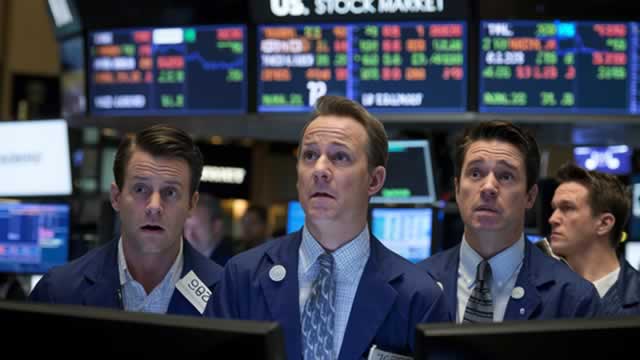
Futurist Peter Diamandis discusses OpenAI's recent AI breakthroughs in mathematics, framing them as a precursor to superintelligence solving humanity's grand challenges like cancer, aging, and environmental issues. He envisions a future of abundance where AI drives unprecedented progress and makes essential services effectively free, countering fears of capital destruction.
- OpenAI's advanced AI solved hundreds of complex math problems, sparking debate between academic 'Mathocalypse' and a 'biggest day of discovery.'
- Diamandis views AI as a superintelligence capable of solving major problems in physics, chemistry, biology, and material sciences, including cancer and aging.
- He predicts a future of 'Universal Abundance Access' where technology makes goods and services effectively free, leading to increased purchasing power and new vertical applications.
The discussion highlights how high gas prices are driving demand for electric vehicles (EVs) and hybrids. Speakers note strong performance from Rivian, the emergence of cheaper EV options, and the critical role of copper in electrification, alongside the growing popularity of hybrids.
- High gas prices are significantly boosting demand for EVs and hybrids.
- Rivian's R2 is seeing strong demand, leading to increased production plans, and the used EV market is also robust.
- New, more affordable EV models from companies like Slate and Ford are entering the market, expanding consumer options.
- The shift to EVs is increasing demand for commodities like copper, with rising prices potentially impacting manufacturing costs.
- Hybrids are gaining traction, especially in Europe, offering a bridge solution without the range anxiety or charging infrastructure concerns of pure EVs.

Adam Turnquist, Chief Cross Asset Strategist at LPL Financial, maintains a bullish outlook for the S&P 500, targeting 8000 by year-end, driven by mega-cap tech leadership and potential broadening out. He suggests buying breakouts in tech and dips in oversold financials, while monitoring interest rate volatility and key technical levels for broader market health.
- S&P 500 bull market is expected to continue into its fifth year, with a technical target of 8000 by year-end.
- Mega-cap tech, particularly Microsoft and Nvidia, is anticipated to lead the market higher, with tech sector breadth being broad and constructive.
- Financials, including Citigroup, are seen as oversold, presenting a 'buy the dip' opportunity ahead of earnings, provided they hold key support levels.
- Narrow market breadth is noted as a warning sign but not a sell signal, while interest rate volatility and a 10-year yield above 5.32% are key risks.

Fidelity's Denise Chisholm argues that the tech sector, despite a significant 30% multiple contraction, is positioned for future gains. Historical data suggests that such valuation resets often lead to outperformance, even if earnings growth slows, as the market has already priced in concerns. A slowdown in tech capital expenditure (CapEx) might also signal acceleration in other economic sectors.
- The tech sector has experienced a rare 30% multiple contraction, which historically correlates with subsequent outperformance.
- This potential for outperformance holds true even if earnings decline, as the market has likely already discounted these concerns.
- While tech CapEx is slowing, this secular trend has historically not led to contraction and can even be a leading indicator for accelerated growth in other sectors of the US economy.
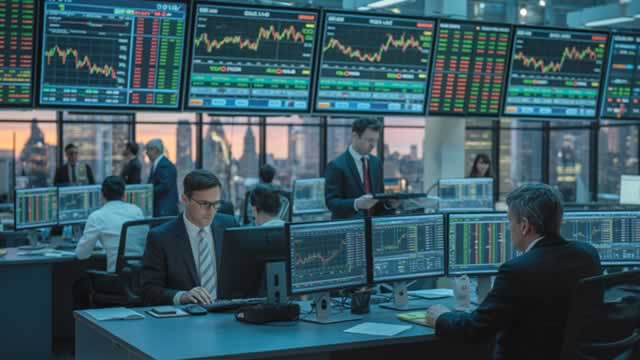
The Investment Committee debates Q3 earnings expectations, with mixed views on whether the bar is too high. While current earnings numbers might be met, future guidance and the impact of high interest rates on various sectors, especially outside of tech, are key concerns. The market's narrow leadership is also highlighted as a potential risk.
- Q3 earnings numbers are largely expected to be met, but future guidance and the pace of earnings growth for 2024 are seen as critical and potentially 'dicey'.
- Tech sector CapEx plans are expected to remain intact, but concerns exist about the affordability of capital for AI and data center build-outs due to rising interest rates.
- The broader market's performance is viewed as misleading, with most stocks underperforming despite indices being near highs, indicating narrow leadership.
- High interest rates are impacting non-tech sectors like financials and industrials, and continued stabilization or decline in rates is needed for broader market performance.
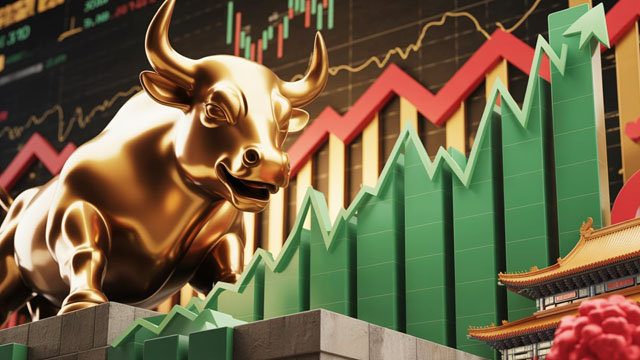
The video highlights a major Ledger hardware wallet hack resulting in over $86 million in stolen crypto, casting a shadow over self-custody. It also covers MicroStrategy's ongoing Bitcoin accumulation, the debut of an XRP-backed treasury on Nasdaq, and recent Bitcoin ETF flows. The speaker expresses strong skepticism about the security of self-custody and questions who truly benefits from institutional crypto adoption and tokenization.
- Ledger hardware wallet hack leads to $86M+ in crypto stolen, with the speaker calling self-custody an 'absolute freaking disaster' and an 'existential crisis'.
- MicroStrategy (MSTR) purchased 250 Bitcoin for $21.5M and repurchased $192M of preferred stock, continuing its Bitcoin accumulation strategy.
- Evernorth's XRP Treasury Merger brings 473M XRP to Nasdaq as XPRN debuts, marking a new institutional wrapper for the asset.
- Bitcoin ETFs saw significant outflows of $679M over the week, with the speaker noting these flows are reactive to price rather than predictive.
- Wall Street's move towards tokenization is discussed as a major shift, but the speaker raises concerns about whether retail investors will benefit or if value will be captured by institutions.

The discussion centers on the upcoming September CPI report and its implications for Federal Reserve monetary policy, particularly regarding interest rate hikes. The guest anticipates the Fed will likely pause in October but implement one more rate hike by December. The 10-year Treasury yield's recent rise above 5% is attributed to strong economic fundamentals and corporate profits, with concerns about prolonged elevated energy prices.
- September CPI report (released Wednesday) is the primary focus for Fed officials, with a consensus expectation of 0.2% or less for core CPI.
- The breadth of inflation (over 60% of CPI sub-components rising at 3%+ year-over-year) remains a concern for the Fed.
- The Fed is expected to pause rate hikes in October, but a December hike is highly probable (89.3% implied probability by CME FedWatch).
- The 10-year Treasury yield hovering above 5% without disrupting credit or stock markets is viewed positively, supported by strong nominal growth and corporate profits.
- Elevated energy prices are a potential risk, as sustained high prices could lead to demand destruction and further upward pressure on long-term yields.

The report highlights potential tech acquisitions in the AI sector, with Amazon reportedly in talks to acquire AI startup Decart for around $7 billion, and Nvidia considering a deeper investment or acquisition of Reflection AI. Microsoft CEO Satya Nadella also weighed in on AI safety, advocating for an 'emergency brake' mechanism.
- Amazon is reportedly in talks to acquire AI startup Decart for approximately $7 billion, aiming to boost its chip push against Nvidia.
- Nvidia is in early discussions to acquire or deepen its investment in US 'open' model startup Reflection AI, which develops open-weight models.
- Microsoft CEO Satya Nadella emphasized the need for an 'emergency brake' on AI, suggesting models should be assumed compromised and containable from the start.

The discussion focuses on recent attacks on Saudi Arabia's King Khalid Airport and the kingdom's resilience in maintaining energy supplies. Despite geopolitical risks, Saudi Arabia's energy minister assured uninterrupted supplies. The market reaction to these events, alongside a proposed US-Russia diesel deal, suggests a complex interplay of factors influencing oil prices, with a persistent global diesel deficit remaining a concern.
- Saudi Arabia's Minister of Energy emphasized the kingdom's 'super resilience' and commitment to uninterrupted energy supplies under all circumstances.
- Saudi Aramco's production reached 8.5 million barrels a day last month, the highest since the war broke out, demonstrating quick repair capabilities.
- Oil markets (WTI and Brent) saw declines, with WTI falling below $90, suggesting that news of a potential US-Russia diesel deal might be overshadowing regional geopolitical risks.
- The proposed US-Russia diesel deal aims to supply over 4 million tons of diesel to the global market, though its immediate impact and Russia's actual delivery capability are questioned.
- A global diesel deficit of approximately 1 million barrels per day persists, with Russian additions and EU stock releases potentially covering only half of this shortfall.
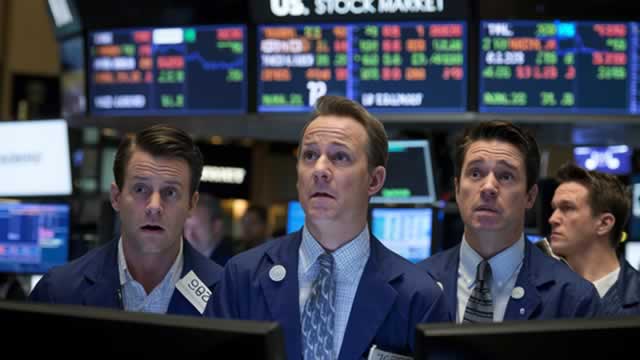
Bloomberg's Sridhar Natarajan anticipates a 'mixed-bag' for big bank earnings this quarter, citing structural changes in the second half of the year, particularly a slowdown in capital markets activity and emerging concerns in the consumer economy. Each bank is expected to have its own unique story.
- Capital markets slowdown is expected to impact investment banks like Goldman Sachs and Morgan Stanley, contrasting with their strong first-half performance.
- Bank of America's 'hold to maturity' issues and unrealized losses will likely resurface as a key discussion point due to recent rate movements.
- For consumer-focused banks like Wells Fargo and JPMorgan, the focus will be on net interest income (NII), deposit costs, and the quality of loan growth.

The discussion centers on potential 'October surprises' impacting the upcoming midterm elections and financial markets. Key risks highlighted include political fractures over Russian diesel imports, the possibility of a high-profile AI hacking incident affecting tech stocks and Senate races, and persistent inflation driving consumer concerns. Both analysts suggest a challenging environment with limited immediate solutions for affordability.
- President's decision to suspend sanctions on Russian diesel imports creates political tension within the Republican party, potentially impacting key Senate races.
- A high-profile AI hacking incident or poor tech earnings reports could negatively affect mega-cap tech stocks and influence election outcomes in states with significant data center presence.
- Inflation and everyday affordability remain the top concerns for American voters, with costs continuing to rise and no comprehensive legislative solutions expected near-term.
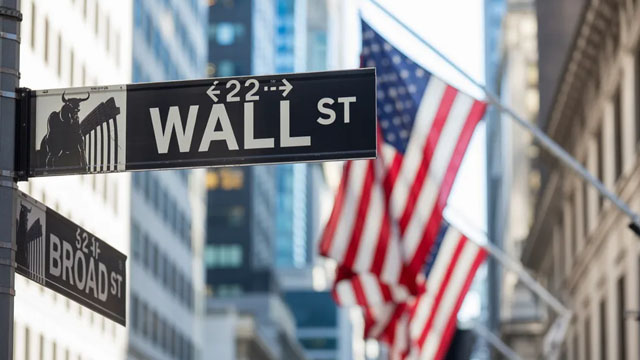
Apollo's Chief Economist Torsten Slok discusses how current monetary policy is paradoxically pushing up rents by stifling housing construction. He highlights that interest-rate insensitive sectors like AI, healthcare, and education are showing strong growth, limiting the Fed's ability to slow the economy. Slok suggests that a broad slowdown, including in AI and oil prices, would be necessary for the Fed to halt rate hikes.
- High interest rates are choking off housing construction, leading to lower supply and rising rents, which is problematic for the Fed's inflation targets.
- Strong growth in interest-rate insensitive sectors (AI, healthcare, education) means higher rates are not slowing the economy as effectively as expected.
- The timing and magnitude of AI's economic payoff, coupled with other inflationary pressures, create a complex outlook for future Fed policy decisions.

AI deployment in banking is accelerating at an unprecedented pace, with early adopters like JPMorgan Chase leading the charge. These leading banks are not only gaining a competitive edge through strategic AI integration but are also growing their headcount, as AI creates new job opportunities and enables novel problem-solving, contrary to job displacement fears.
- JPMorgan Chase, Capital One, and Royal Bank of Canada are identified as the top three banks in global AI rankings.
- Early adoption of AI and strategic organizational restructuring provide a significant head start and competitive advantage.
- Banks investing most heavily in AI are experiencing headcount growth, with AI creating new jobs (estimated 4 new jobs for every 1 changing job) rather than causing job losses.